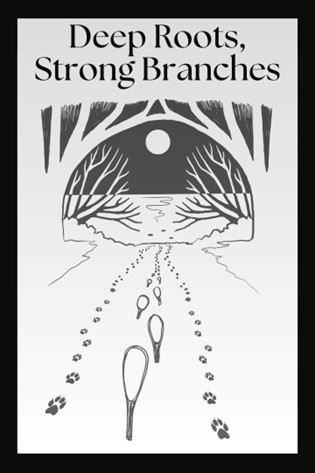
Deep Roots, Strong Branches - The American Abenaki Abenaki people have lived in N’Dakinna (our Homeland) for more than 12,000 years. Abenaki culture is a complex network of people, places, relationships and ceremonies that links the people with the living land. Located in the Museum’s Schoolhouse Gallery, this exhibit presents artwork and stories by the ... Read more
Nebizun (alternately spelled Nebizon) is the Abenaki word for medicine and the root word Nebi is the Abenaki word for water. The rivers and tributaries of N’Dakinna (our homeland) were our highways for traveling and the water itself is important to the species of fish and other wildlife that is necessary to our way of ... Read more
Join Vermont’s Native American community for Abenaki Heritage Weekend and Arts Marketplace June 14-15 at Lake Champlain Maritime Museum, Vergennes, VT. Admission FREE. Rain or shine. Citizens of Vermont’s Elnu, Nulhegan, Koasek, and Missisquoi Tribes share perspectives on life in the Champlain Valley. Storytelling, craft demonstrations, drumming, singing, and children’s play area. Featured arts include ... Read more
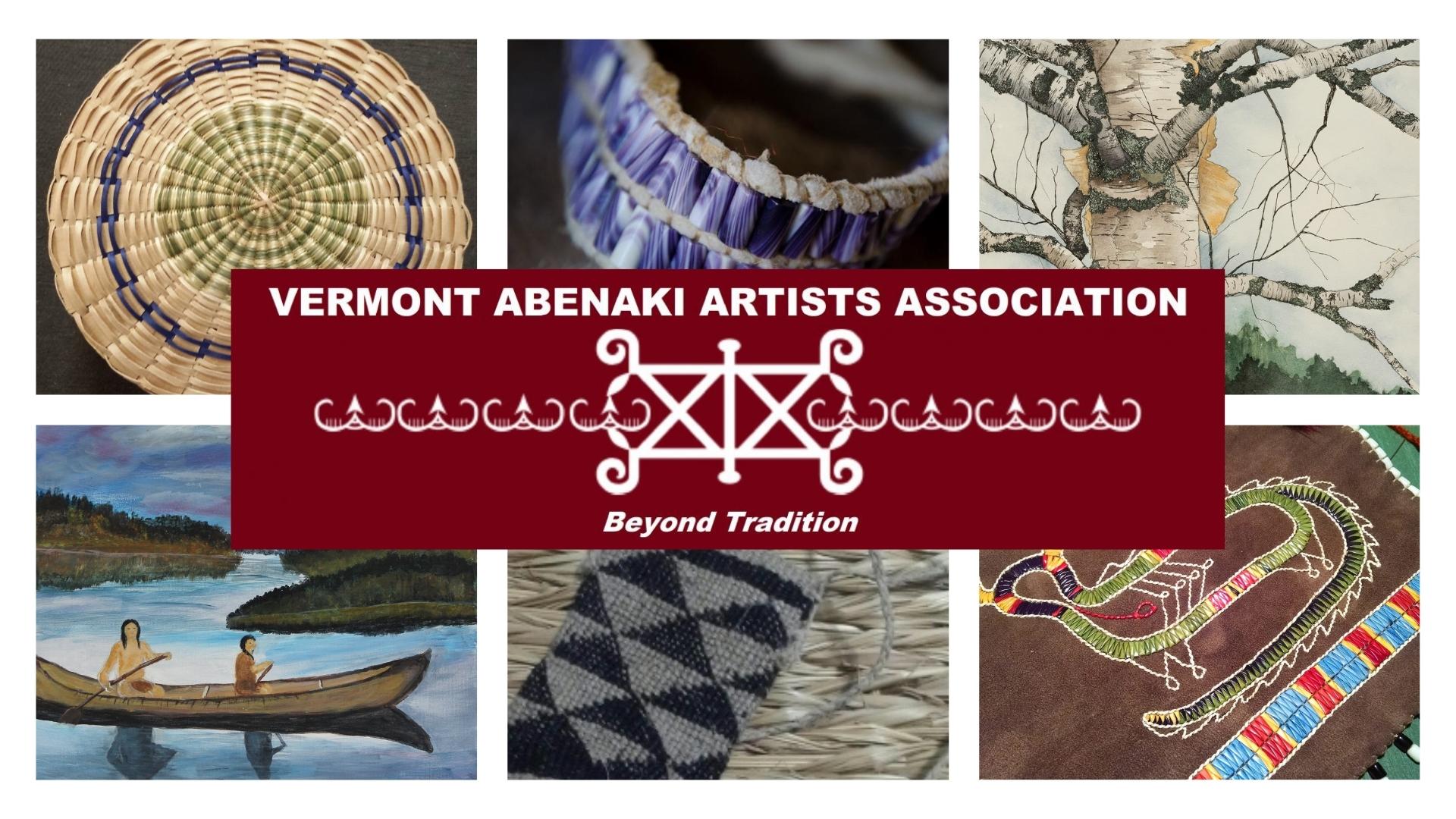
Native American Arts Marketplace presented by Vermont Abenaki Artists Association at Abenaki Heritage Weekend, June 14-15 at Lake Champlain Maritime Museum, Vergennes, VT. Admission FREE. Featured arts include jewelry, wampum, baskets, stonework, woodworking and more. Explore Abenaki perspectives on life in the Champlain Valley with storytelling, drumming, and singing by citizens of the Elnu, Nulhegan, ... Read more
Join Dr. Frederick Wiseman as he premieres his new book "Something of Value: The Vermont Abenaki experience: 1790-2020." Using the twin concepts of cultural continuity and cultural competency, it is a brief, peer-reviewed introduction to the little-known genealogy, history, arts, gardening, architecture, and social organization of the Vermont Abenaki community. Building on Wiseman’s 35 years ... Read more
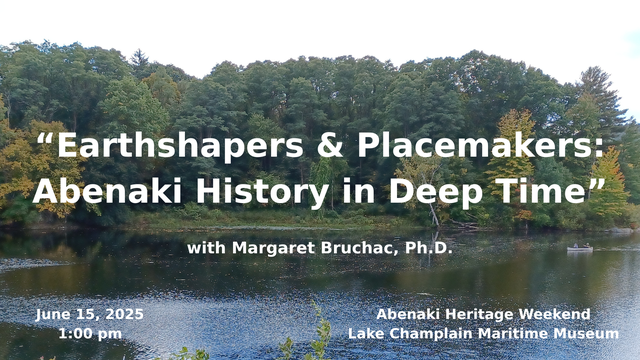
The physical layout of the Abenaki territory we call “Ndakinna” includes multiple waterways, valleys, mountains, rock formations, etc. that shape the contours of the land. Many of these are still known by locative terms, in the Abenaki language, that describe their physical details. Some places are also known through oral traditions that reference ancient events ... Read more